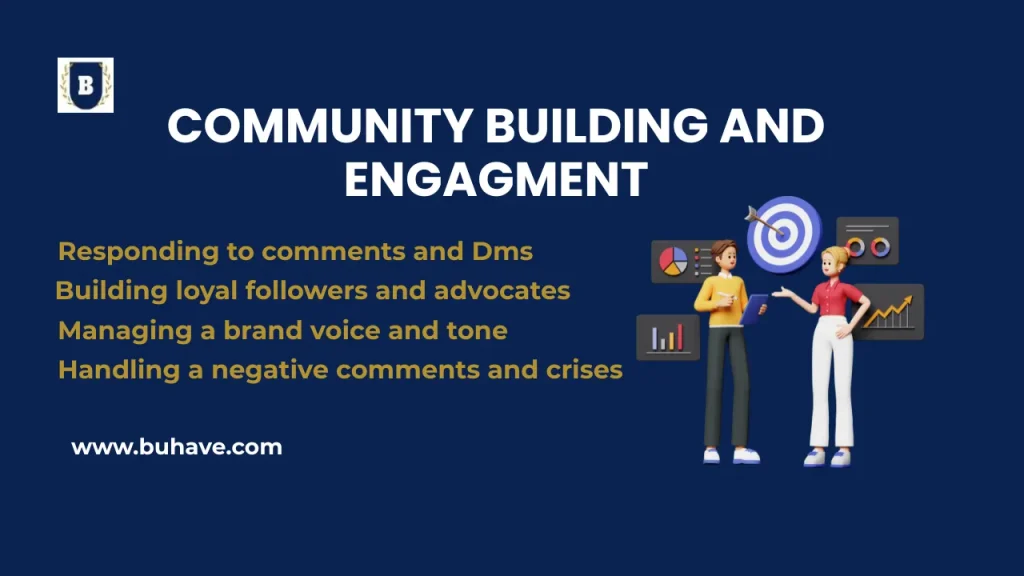
Engaging with your audience through comments and direct messages (DMs) is a key part of social media success. It builds trust, boosts visibility, and encourages more interaction. Here’s how to manage it effectively in Community Building & Engagement. For a broader framework, see Introduction to Social Media Marketing.
1. Respond Quickly
- Timely responses show that you value your audience.
- Aim to reply within 24 hours to maintain engagement.
2. Be Friendly and Professional
- Use a warm and respectful tone.
- Stay on-brand: fun or formal depending on your voice.
3. Personalize Your Replies
- Use the person’s name and refer to their comment directly.
- Avoid generic replies like “Thanks!” — make it meaningful.
- Enhance your strategy with tailored messaging insights from Content Marketing.
4. Address Questions Clearly
- Provide clear answers and link to resources if needed.
- If unsure, inform them you’ll follow up.
5. Handle Negative Comments Calmly
- Stay polite and solution-focused.
- Move the conversation to DMs if needed.
- Only delete comments if they’re offensive or spam.
6. Use DMs for Personal or Sensitive Matters
- Handle issues like order complaints privately.
- Never share personal data publicly.
- Save time while staying personal by adapting templates—learn more in Social Media Marketing (SMM).
7. Use Saved Replies (When Appropriate)
- Prepare templates for common questions.
- Tweak them to sound personal.
8. Show Gratitude
- Always say thank you for compliments, shares, or reviews.
9. Keep Posting Regularly
- Be consistent and active.
- Coordinate your posting calendar with a Content Strategy and Planning lesson for best results.
Tip: Loyal followers don’t come overnight. Keep connecting, keep caring — and your community will grow!
How to Build Loyal Followers and Brand Advocates
Loyal followers trust your brand. Advocates tell others about you. Here’s how to build both:
1. Share Useful Content
- Post helpful, fun, or educational content.
2. Be Real
- Show your team, behind-the-scenes, or personal stories.
3. Reply to People
- Engage in comments and DMs.
- Ask questions and respond to answers.
4. Keep Your Style Same
- Use consistent branding — logo, colors, tone.
5. Reward Your Followers
- Offer giveaways, shout-outs, or discounts.
6. Teach Something
- Share knowledge related to your service/product.
7. Build a Community
- Create groups or chats for your followers.
8. Share Happy Customer Reviews
- Use testimonials to build trust.
9. Keep Posting Regularly
- Be consistent and active.
Tip: Loyal followers don’t come overnight. Keep connecting, keep caring — and your community will grow!
Closing note: To deepen your understanding of how these practices fit into a broader strategy, consider our Social Media Marketing Strategy and Campaigns course.
Managing a Brand Voice and Tone
Your brand voice is how your brand speaks, and your tone is how your brand feels in different situations.
1. What is Brand Voice?
- Your brand’s personality in writing or speaking.
- Consistent across posts, website, ads, and replies.
- Voice types: Friendly & fun, Professional, Bold, Calm
2. What is Tone?
- Tone changes with the situation, voice remains the same.
- Examples: Excited when promoting, Calm when resolving issues.
3. Know Your Audience
- Understand who you’re talking to and match your tone.
- Teens → Trendy; Professionals → Formal & Clear.
4. Create a Voice Guide
- Define what your brand voice sounds like.
- What to use and what to avoid in tone.
5. Be Consistent Everywhere
- Maintain the same tone across all platforms.
6. Use Simple and Clear Language
- Avoid jargon or complex language.
- Use short, friendly, natural sentences.
7. Review Your Content Regularly
- Ensure your content still reflects your voice.
- Ask for feedback if needed.
8. Be Human, Not Robotic
- People connect with warmth and empathy.
9. Train Your Team
- Ensure everyone follows the same voice rules.
Final Tip: Your brand voice should feel like a person your audience wants to talk to. Keep it simple, real, and consistent — and people will start trusting your brand more.
Handling Negative Comments and Crises
Negative feedback happens. What matters is how you respond:
1. Stay Calm and Don’t React Emotionally
- Never reply in anger.
- Breathe and speak politely.
2. Read the Comment Fully
- Understand the real issue before responding.
3. Respond Politely and Professionally
- Address concerns publicly and respectfully.
- Example: “We’re really sorry to hear that. Let’s fix it for you. Please DM us the details.”
4. Take It to DMs (If Needed)
- Move sensitive or complaint discussions to private messages.
5. Don’t Delete Every Negative Comment
- Only delete if it’s spam, hate speech, or abusive.
6. Learn From Feedback
- Use recurring complaints to improve your service or product.
7. Handle Trolls Smartly
- Ignore or hide troll comments — don’t engage.
8. Have a Crisis Plan
- Respond quickly and transparently to serious issues.
- Example: “We’re aware of the issue and working on it. We apologize for the inconvenience and will keep you updated.”
9. Train Your Team
- Make sure everyone knows how to handle negativity.
10. Stay Positive and Consistent
- Keep your voice respectful even during a crisis.
- Honesty earns respect.